Product Description
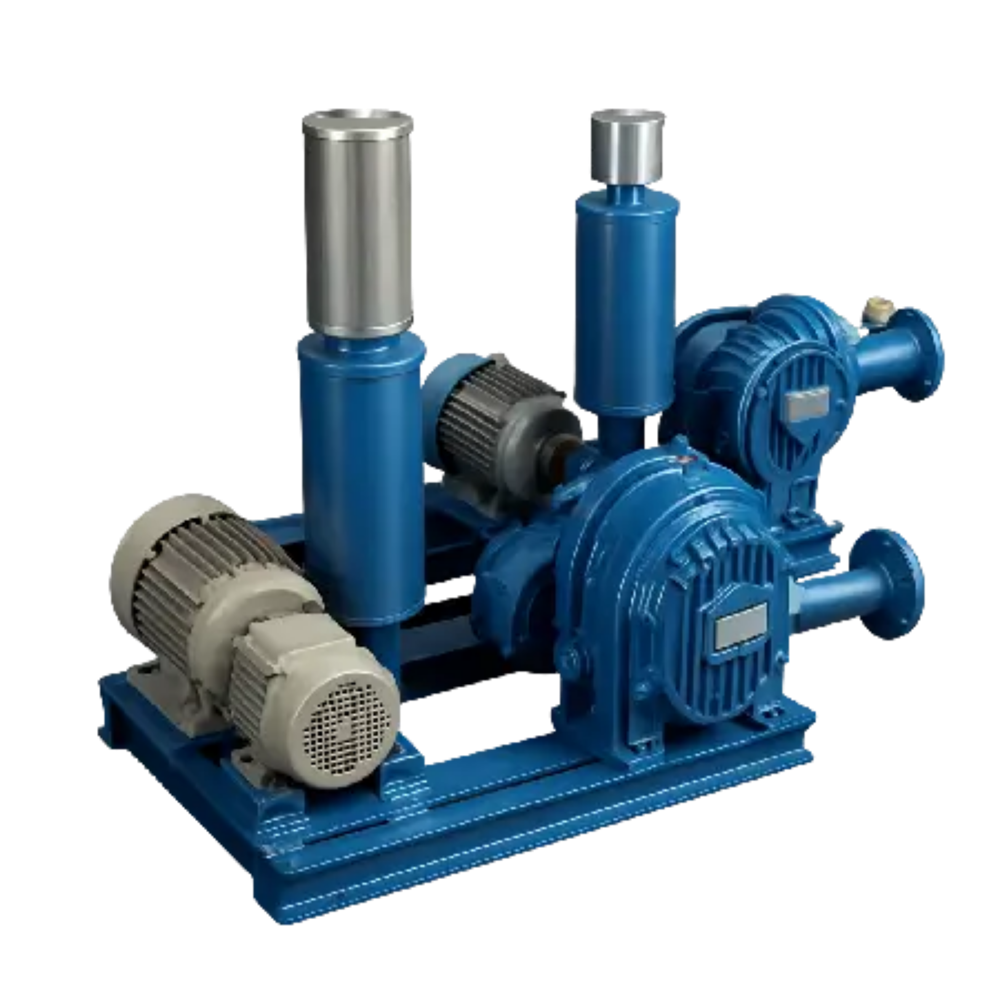
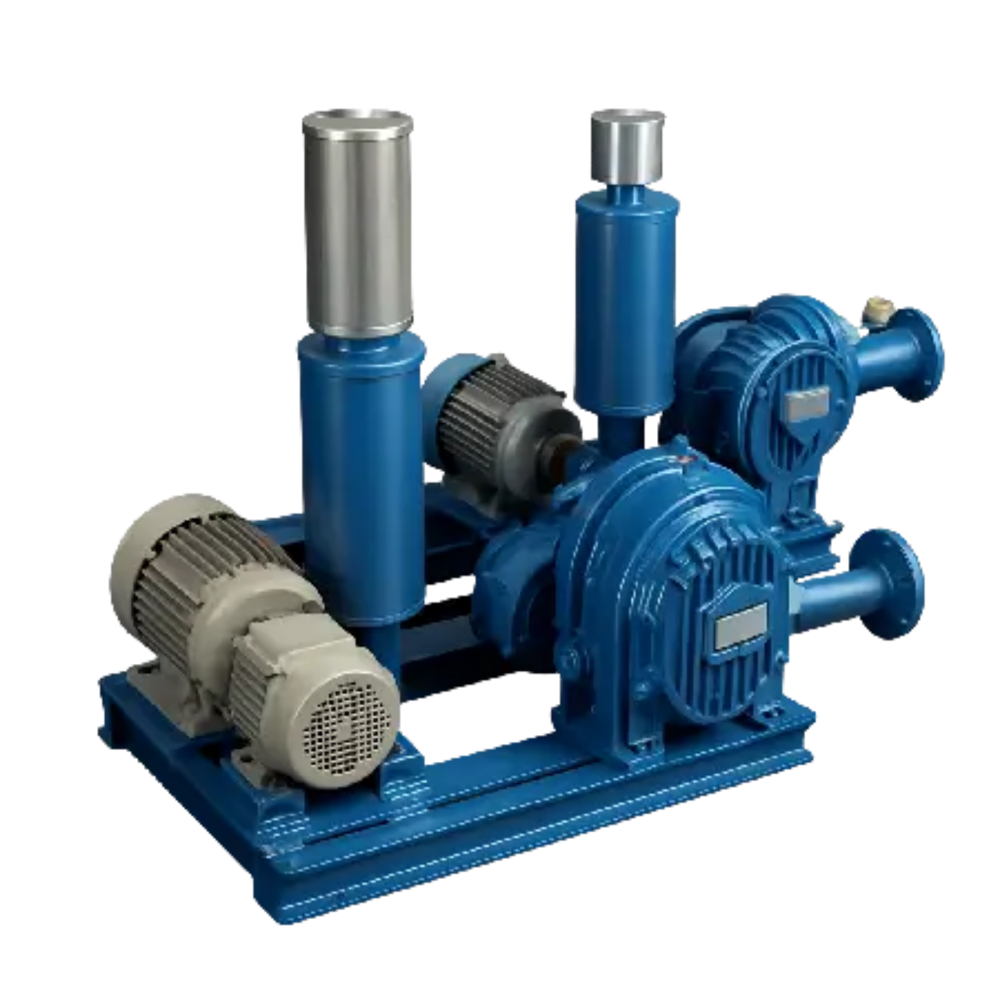
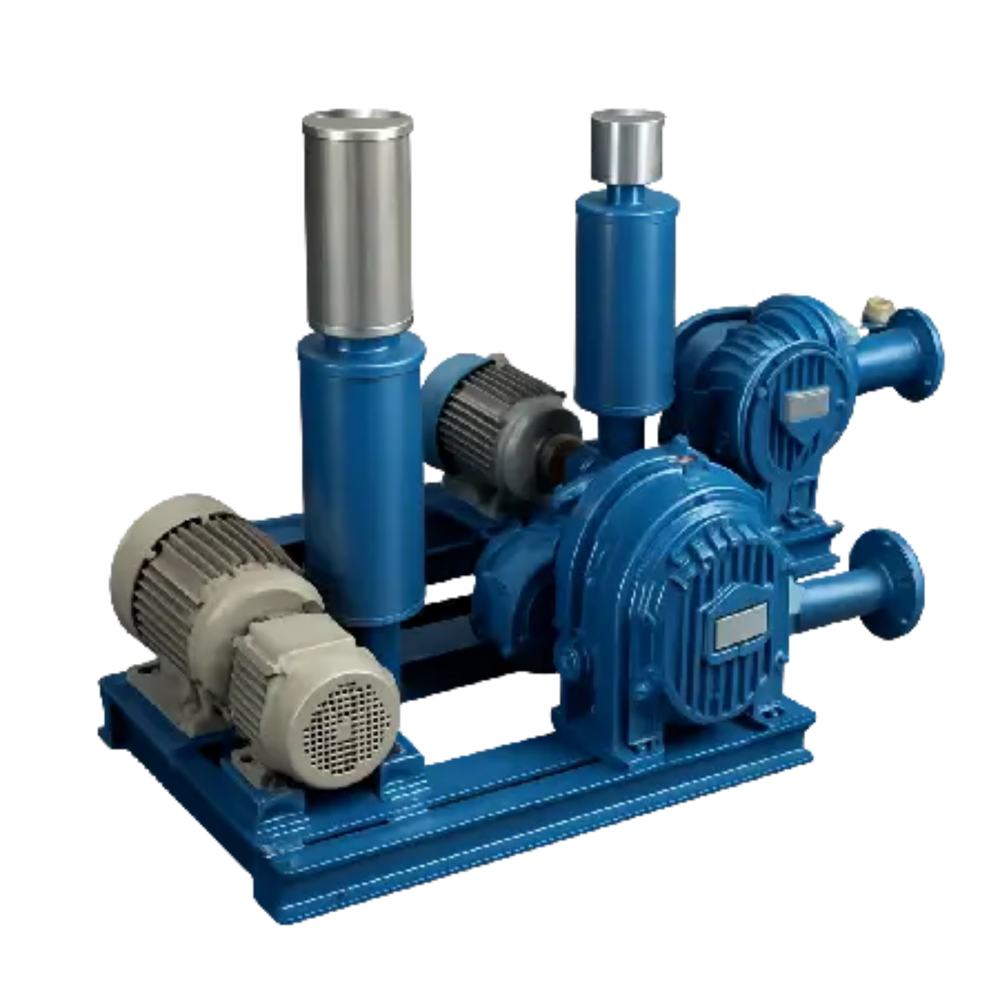
Efficient & Reliable Twin Lobe Positive Displacement Blowers
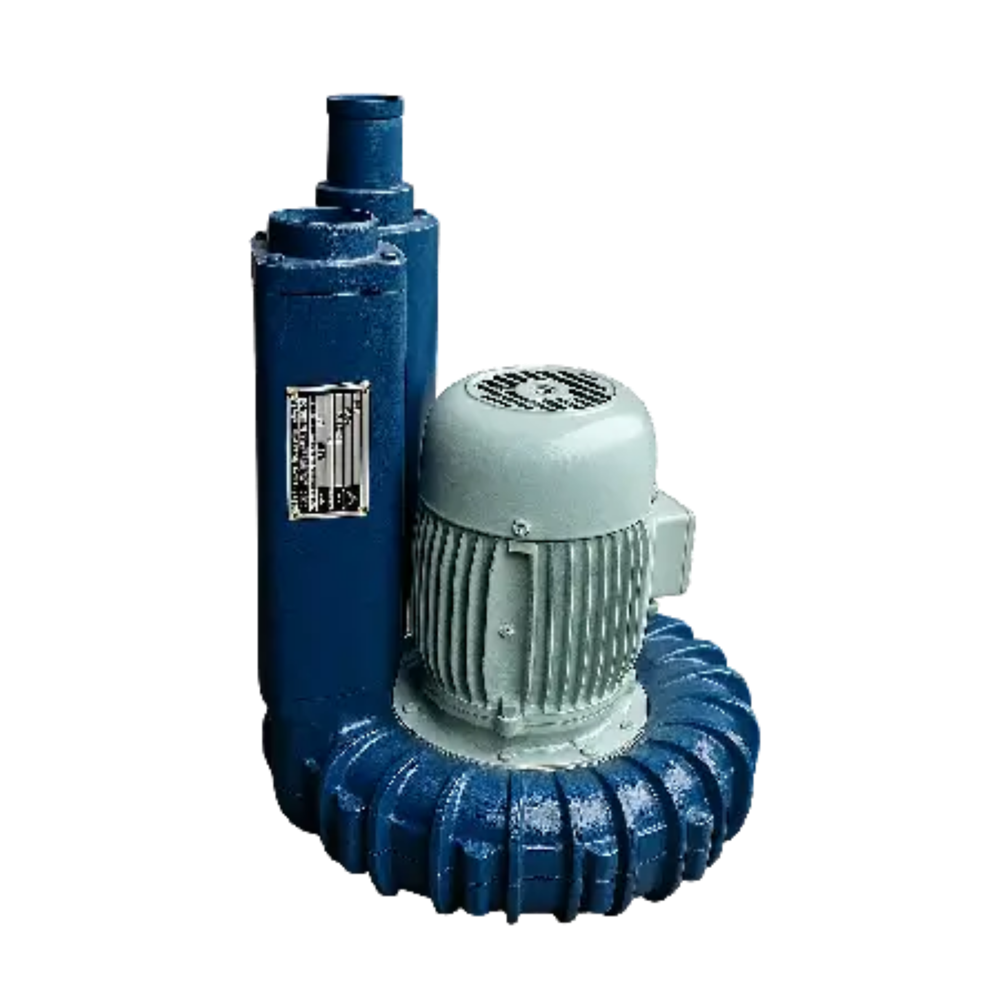
Our Twin Lobe Positive Displacement Blowers are engineered for high-efficiency air delivery in industrial and commercial applications. Designed for durability, energy efficiency, and low maintenance, these blowers are ideal for processes that require consistent airflow and pressure.
What is a Twin Lobe Positive Displacement Blower?
A twin lobe positive displacement blower is a mechanical device that moves air or gas by trapping a fixed volume and forcing it through a system. With two intermeshing lobes rotating in opposite directions, these blowers provide continuous, pulsation-free airflow.
They are widely used in applications such as wastewater treatment, pneumatic conveying, aeration, and vacuum generation, providing reliable performance even in demanding industrial environments.
Key Features
Continuous & Pulsation-Free Airflow
Provides smooth and consistent air delivery for precise process control.
Energy Efficient Design
Optimized lobe profiles reduce energy consumption while maintaining high performance.
Durable & Robust Construction
Manufactured using high-quality materials to withstand heavy-duty industrial conditions.
Low Maintenance
Few moving parts and rugged design minimize downtime and maintenance costs.
Versatile Applications
Ideal for aeration, vacuum generation, pneumatic conveying, and more.
Applications
Twin lobe positive displacement blowers are widely used in:
- Wastewater treatment plants for aeration
- Pneumatic conveying of powders and granular materials
- Industrial vacuum systems
- Chemical and pharmaceutical processing
- Food and beverage processing
- Combustion air supply for boilers and furnaces
Technical Specifications
- Flow Rate: Customizable based on process requirements
- Pressure Range: Positive or vacuum applications available
- Material: Cast Iron / Aluminum / Stainless Steel
- Motor Type: TEFC / Explosion-proof / Standard
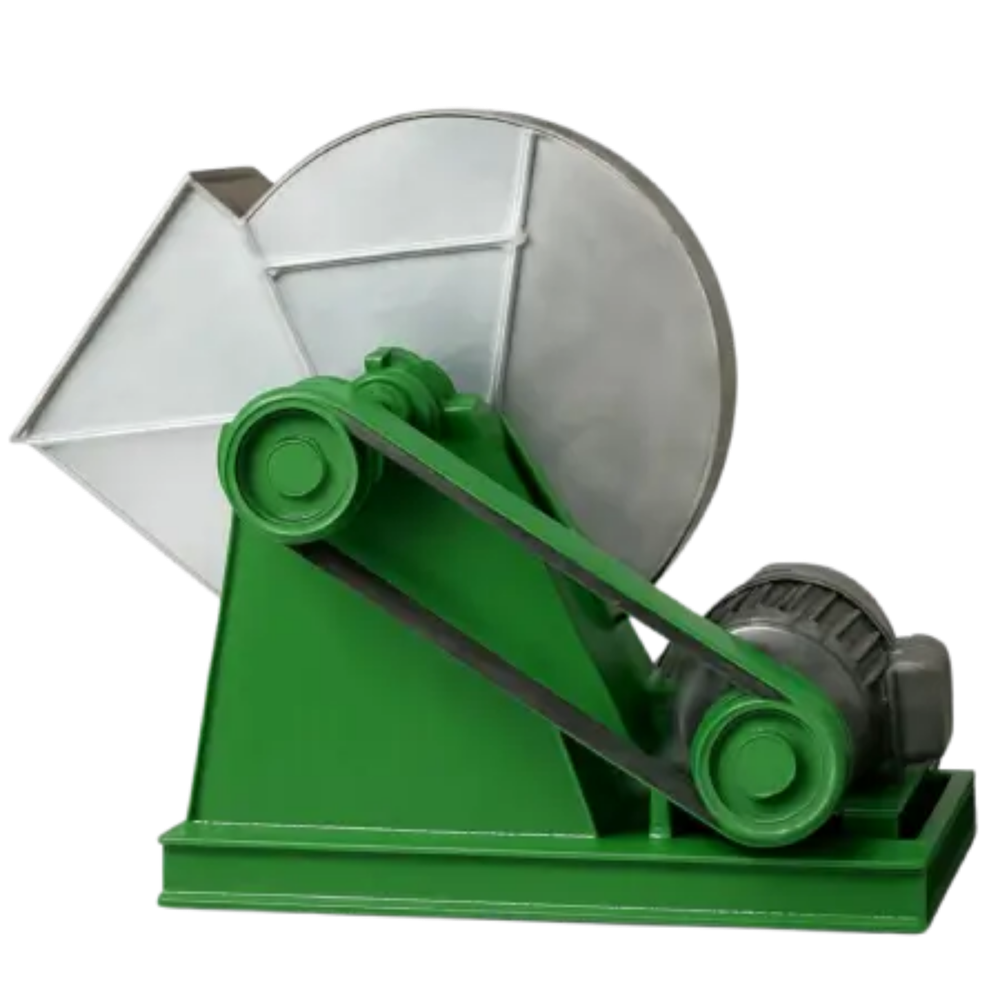
- Drive Type: Direct or Belt-driven
- Operating Temperature: Standard and high-temperature variants
Advantages of Twin Lobe Positive Displacement Blowers
|
Feature
|
Benefit
|
|
Continuous Airflow
|
Smooth, pulsation-free operation
|
|
Energy Efficient
|
Reduced power consumption with optimized lobe design
|
|
High Durability
|
Long-lasting performance in harsh industrial conditions
|
|
Low Maintenance
|
Simplified servicing with minimal moving parts
|
|
Versatile Application
|
Suitable for vacuum, aeration, and pneumatic conveying
|
Why Choose Our Twin Lobe Positive Displacement Blowers?
- Precision-engineered for consistent airflow and reliability
- Long service life with minimal maintenance
- Custom designs for specific industrial applications
- High-quality materials for corrosion and wear resistance
Efficient and cost-effective operation
Efficient Air and Gas HandlingThis twin lobe blower delivers consistent and reliable performance in air and gas handling processes. Its positive displacement mechanism ensures a steady output, unaffected by variations in system pressure. The robust design and high output capability make it ideal for demanding industrial environments such as wastewater treatment plants and pneumatic conveying systems.
Durable and Safe OperationManufactured from cast iron, the blower is engineered for longevity and stability. The oil splash lubrication safeguards vital components, reducing wear and maintenance needs. Thermal overload protection comes standard, minimizing the risk of damage from overheating and ensuring safe, continuous operation during extended duty cycles.
FAQ's of Twin Lobe Positive Displacement Blowers:
Q: How does a twin lobe positive displacement blower work?
A: A twin lobe positive displacement blower utilizes two synchronously rotating lobes to trap and move air or gas from the inlet to the outlet. Unlike centrifugal blowers, its output remains nearly constant despite fluctuations in pressure, making it effective for steady air or gas delivery in industrial processes.
Q: What are the primary applications for this blower?
A: This blower is chiefly used for air and gas handling in the wastewater treatment industry, pneumatic conveying, and other processes requiring consistent airflow or gas movement. Its robust build and performance make it suitable for a wide variety of industrial applications.
Q: When should I perform maintenance on the blower?
A: It is recommended to perform routine maintenance at regular intervals as specified in the manufacturer's manual, typically depending on runtime and environmental conditions. Critical areas such as oil levels and moving parts should be checked and serviced to ensure continuous, efficient operation.
Q: Where is the optimal location to install the blower?
A: The blower should be installed on a horizontal, stable base in a clean, well-ventilated area. This placement ensures proper oil splash lubrication, minimizes vibration, and allows for easy access during inspections and regular maintenance.
Q: What is the benefit of oil splash lubrication in this blower?
A: Oil splash lubrication automatically distributes oil to vital components while the blower operates, reducing internal friction and heat. This results in decreased wear, lower maintenance frequency, and increased longevity of the moving parts inside the unit.
Q: How does thermal overload protection enhance safety?
A: Thermal overload protection monitors the blower's temperature and automatically interrupts power if it detects overheating. This safety feature helps prevent damage to the machine and reduces the risk of unscheduled downtimes due to thermal stress or failure.







 Send Inquiry

