Product Description
Here is a polished, professionally rephrased version of the content. All technical details have been preserved while improving clarity, flow, and readability:
Infrared Thermography Services
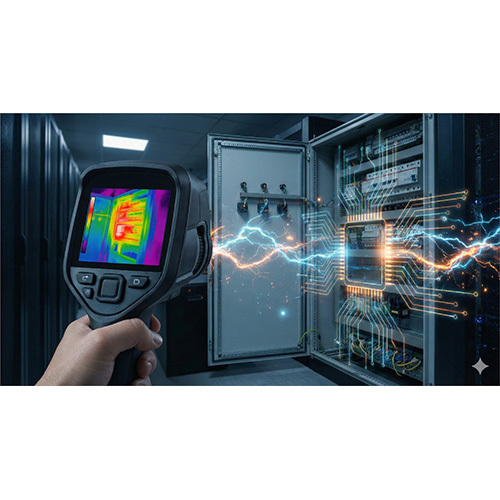
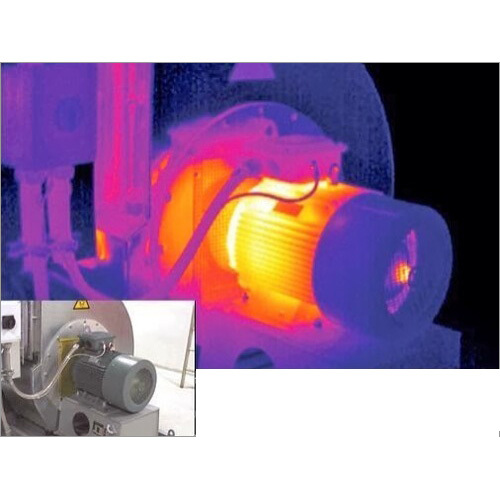
Infrared Thermography is one of the most advanced Non-Destructive Testing (NDT) methods used today for identifying heat-related anomalies. It plays a crucial role in improving the reliability and quality of both mechanical and electrical systems as part of preventive maintenance programs. Using infrared cameras, heat patterns are captured and transformed into visual images known as thermographs.
ROKADE Group offers comprehensive Infrared Thermography Services, covering electrical installations such as MCC and PCC panels, switchgear, motor terminal boxes, and switchyards, as well as mechanical systems including compressors, pipelines, leak detection, refractories, and more.
Our highly skilled team conducts thermography inspections of any scale with exceptional precision and complete client satisfaction.
How Thermography Helps
- Fault detection in electrical distribution networks.
- Loose electrical connections
- Overloaded circuits or phases
- Deteriorated or damaged insulation
- Valve failure in compressors.
- Leaks of product from pipelines.
- Misalignment of chain drives systems.
- Bearing failure
- Insufficient lubrication
- Steam leaks
- Faulty or loose drive belts.
Thermographers typically use one of three inspection techniques Comparative, Baseline, and Thermal Trending depending on the equipment type and the data required.
Comparative Thermography
Comparative thermography involves measuring the temperatures of similar components operating under similar conditions. By comparing these temperature patterns, hidden issues can be identified. This method can be:
Quantitative: Measures exact temperatures and temperature distributions; performed by highly trained thermographers.
Qualitative: Focuses on temperature differences rather than absolute values. Approximately 90% of industrial and mechanical thermography applications are qualitative. Using quantitative data alongside qualitative observations helps determine both the nature and severity of a problem.
Baseline Thermography
Baseline thermography establishes a reference point by capturing thermal images when equipment is functioning correctly. These baseline readings are later compared with new images to detect deviations that may indicate developing faults. It is recommended to record baseline data for all critical assets when they are new or freshly repaired.
Thermal Trending Thermography
Thermal trending tracks how temperature patterns in a component change over time. This method is ideal for equipment with complex thermal signatures or systems where issues develop gradually. A common example is tracking temperature changes in high-temperature refractory insulation within boilers to plan maintenance activities that minimize downtime.
Benefits of Thermography Services
- Requires no contact with components or machines
- Check for defective equipment while still under manufacturer warranty
- Data can be uploaded to software for further analysis
- Minimize preventive maintenance and troubleshooting time
- Real-time output
- Significantly reduce unscheduled power outages
- Evaluate priorities for corrective action





 Send Inquiry

